Smart Nutrition Monitoring: Uses, Benefits, and How It Helps
What is the use of smart nutrition monitoring?
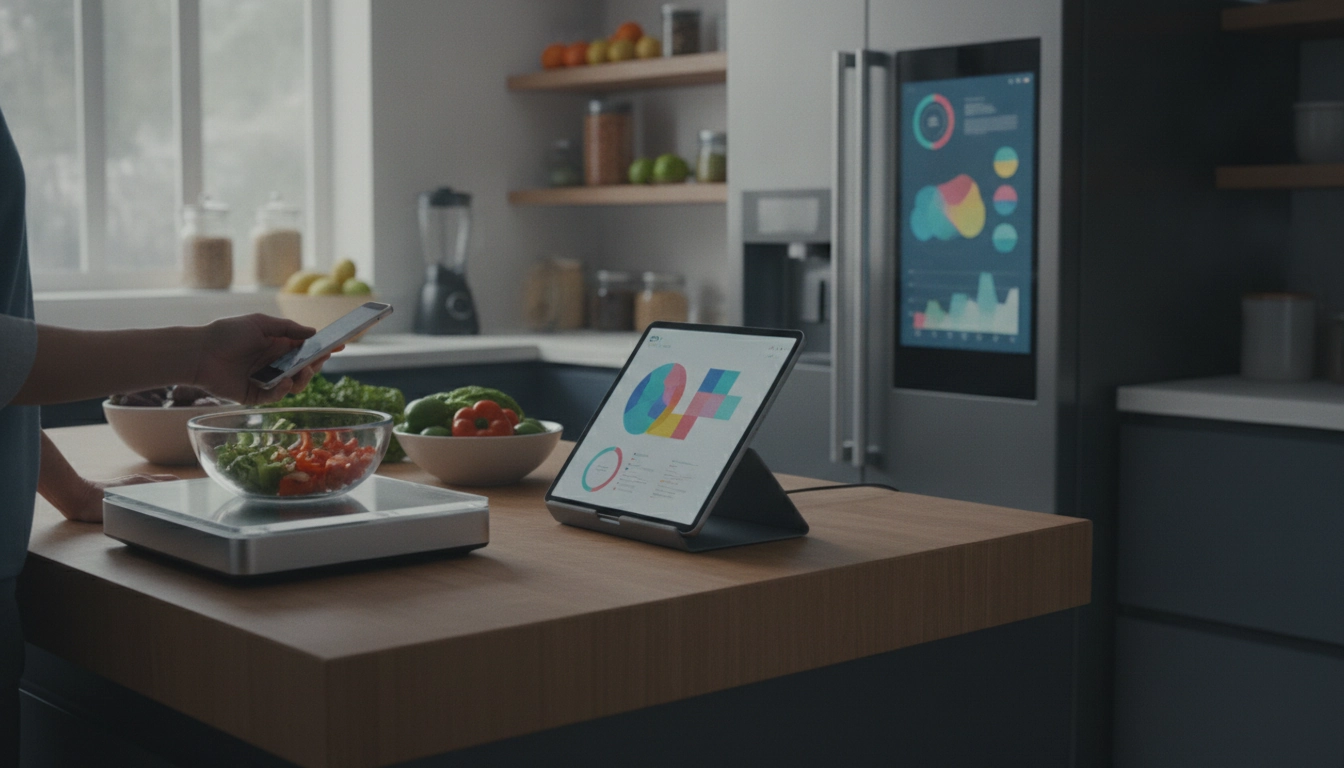
Smart nutrition monitoring is used to turn everyday eating habits into clear, trackable data so it’s easier to make better food choices. Instead of guessing whether meals are balanced or if daily targets are being met, smart tools help log intake, estimate calories and macros, and highlight patterns that affect energy, weight, or performance.
How smart nutrition monitoring helps day to day
More accurate tracking with less effort
Apps and connected devices can speed up logging by using barcode scanning, searchable food databases, portion estimators, and saved meals. That reduces missed entries and makes the numbers more reliable, which matters when adjusting diet goals over time.
Personalized guidance based on your goals
Smart monitoring can tailor targets for calories, protein, carbs, fat, fiber, and key micronutrients. Whether the goal is weight management, muscle gain, better blood sugar control, or improved stamina, the system can show progress and suggest practical adjustments like increasing protein at breakfast or spreading carbs around workouts.
Pattern detection and better decision-making
Seeing weekly trends makes it easier to connect food choices with outcomes. Smart monitoring can reveal common pitfalls—like consistently low fiber, high sodium on certain days, or late-night snacking that pushes calories over target—so changes are based on evidence, not guesswork.
Support for consistency and accountability
Reminders, streaks, and easy-to-read dashboards help users stay consistent. Many platforms also allow sharing reports with a coach or clinician, which can improve follow-through and make check-ins more productive.
For a deeper breakdown of features and real-world benefits, visit the full guide here: https://primetechnology.shop/what-is-the-use-of-smart-nutrition-monitoring/.
For Smart Nutrition Monitoring: Uses, Benefits, and How It Helps, the best answer depends on fit, material, care instructions, and how the product will be used day to day.
FAQ
Can smart nutrition monitoring help with weight loss plateaus?
Yes. By exposing small tracking gaps (like portion creep or frequent snacks), it helps pinpoint why progress stalled and what to adjust—such as calories, protein, or meal timing.

Leave a comment