40W Portable Wireless Speaker Guide: Loud, Easy, Rugged
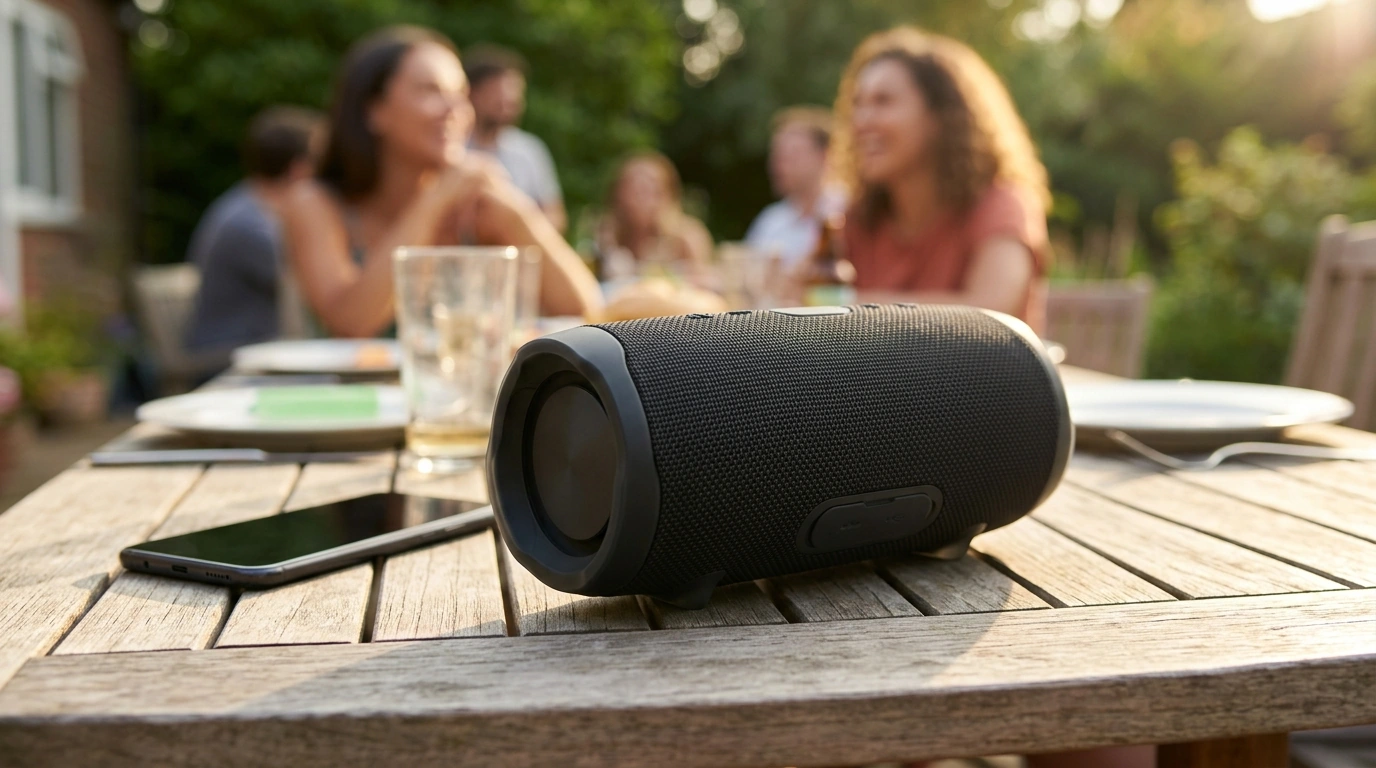
40W Portable Wireless Speaker: Big Sound for Backyard, Beach, and Home
A compact speaker can still deliver room-filling volume when it’s built with the right power, tuning, and connectivity. A 40W portable wireless speaker hits a practical sweet spot: loud enough for casual gatherings, easy to move from room to room, and simple to pair with a phone in seconds. Below is a straightforward guide to what 40W “feels like” day to day, how to get quick, reliable setup, and which details make the biggest difference to sound quality, durability, and everyday use.
What 40W power means in everyday listening
In real use, 40W output typically translates to strong volume headroom—enough to keep music present in a larger living room, a patio, or a small backyard group without having to run the speaker at maximum all the time. That extra headroom matters because most portable speakers sound cleaner when they’re not pushed to their limits.
Compared with ultra-compact mini speakers, a 40W class speaker can feel more confident in the low end, especially at moderate volumes where bass lines and kick drums still have weight. You’ll also notice better dynamics for pop, rock, EDM, and podcasts: vocals are easier to follow, and instruments don’t blur together as quickly when the mix gets busy.
One caveat: real-world loudness isn’t wattage alone. Driver size, enclosure design, and tuning play a huge role, so it’s smart to judge performance by clarity at the volume you actually use—rather than chasing the highest number on the box.
Who this speaker fits best
A 40W portable wireless speaker is a strong match for:
- Outdoor hangouts such as backyard BBQs, picnics, and poolside listening. Keep charging ports protected from splashes and avoid leaving it where water can collect.
- At-home use in the kitchen, living room, garage workouts, or as a simple party speaker that’s easy to stash away afterward.
- Travel and camping when you want bigger sound than a pocket speaker, without packing a full-size system.
- Gifting for students, apartment living, and casual music fans who want an easy upgrade in loudness.
Quick setup and daily controls
For the smoothest first week of use, start with a full charge before your first long listening session. Batteries tend to stabilize after a couple of complete charge cycles, and a full initial charge helps prevent surprise shutoffs during a longer play session.
Pairing in under a minute
- Turn the speaker on and put it in Bluetooth pairing mode.
- On your phone/tablet, enable Bluetooth and open the device list.
- Select the speaker name, then confirm connection if prompted.
If calls or a voice assistant are supported, behavior can vary by phone model and app permissions. If the microphone seems inconsistent, check your phone’s Bluetooth device settings and app access.
Placement tips that change the sound
- Use a stable surface to reduce rattles at higher volumes.
- Avoid corners if bass becomes boomy; corners can amplify low frequencies.
- Elevate slightly (on a shelf or table) for clearer mids—especially for vocals and podcasts.
- Outdoor caution: keep it away from sand and direct water exposure unless the product’s rating specifically confirms protection.
Sound quality checklist: what to listen for
Sound quality is easiest to judge with a few quick “sanity checks.” Start around 50–70% volume and listen for balance, then raise volume gradually to see if it stays controlled.
- Vocals: forward and clear, without sharp or spitty “S” sounds.
- Bass: tight rather than rattly; kick drums should hit without buzzing.
- Volume scaling: when you turn it up, everything should get louder together—good speakers don’t turn into “all treble” at high volume.
- Stereo image: with a single portable unit, expect a centered presentation. Placement matters more than “stereo width.”
Fast listening tests
| Test track type | What to listen for | What to adjust |
|---|---|---|
| Podcast or spoken word | Natural voice tone, minimal hiss | Lower volume slightly; move closer |
| Pop with strong vocals | Vocals not buried under bass | Reduce bass emphasis; change placement |
| EDM/hip-hop | Bass impact without distortion | Avoid max volume; keep on a firm surface |
| Acoustic/rock | Guitar clarity and drum punch | Raise speaker height; avoid corners |
Connectivity and range expectations
Bluetooth range depends heavily on the environment. Walls, crowds, and interference from nearby devices can shorten usable distance and cause stutters. For the most stable outdoor connection, keep your phone within line of sight when possible.
If audio stutters or drops:
For deeper technical background, reference the Bluetooth Core Specification. If you suspect interference from other electronics, the FCC consumer guide on interference offers practical troubleshooting context.
Battery, charging, and portability
Feature snapshot: 40W Portable Wireless Speaker
| Item | Details |
|---|---|
| Product | 40W Portable Wireless Speaker |
| Price | $47.51 USD |
| Availability | In stock |
| Best for | Backyard, beach days, casual gatherings, home listening |
Extra picks to round out your setup
- The Smart Goal Setter’s AI Checklist (Digital Download)
- AI-Powered Productivity: The Smart To-Do List Checklist (Digital Download)
Common issues and quick fixes
FAQ
Is 40W enough for an outdoor gathering?
It’s typically enough for small to medium groups, especially when the speaker is placed close to where people are sitting. Outdoors, wind and open space absorb sound, so it’s better to use smart placement rather than relying on maximum volume for clarity.
Why does a portable speaker sound different in different rooms?
Rooms reflect and absorb sound differently: corners can boost bass, while soft furnishings can soak up high frequencies. Moving the speaker a few feet—or elevating it—often improves clarity and balances the low end.
What should be done if Bluetooth keeps disconnecting?
Reduce distance and remove obstacles, then forget the device and re-pair it. Also check for nearby sources of interference, update your phone’s OS, and confirm the speaker battery isn’t low.


Leave a comment