100,000 mAh Power Banks: Real, Huge, and Not for Travel
Is there a 100,000 mAh power bank?
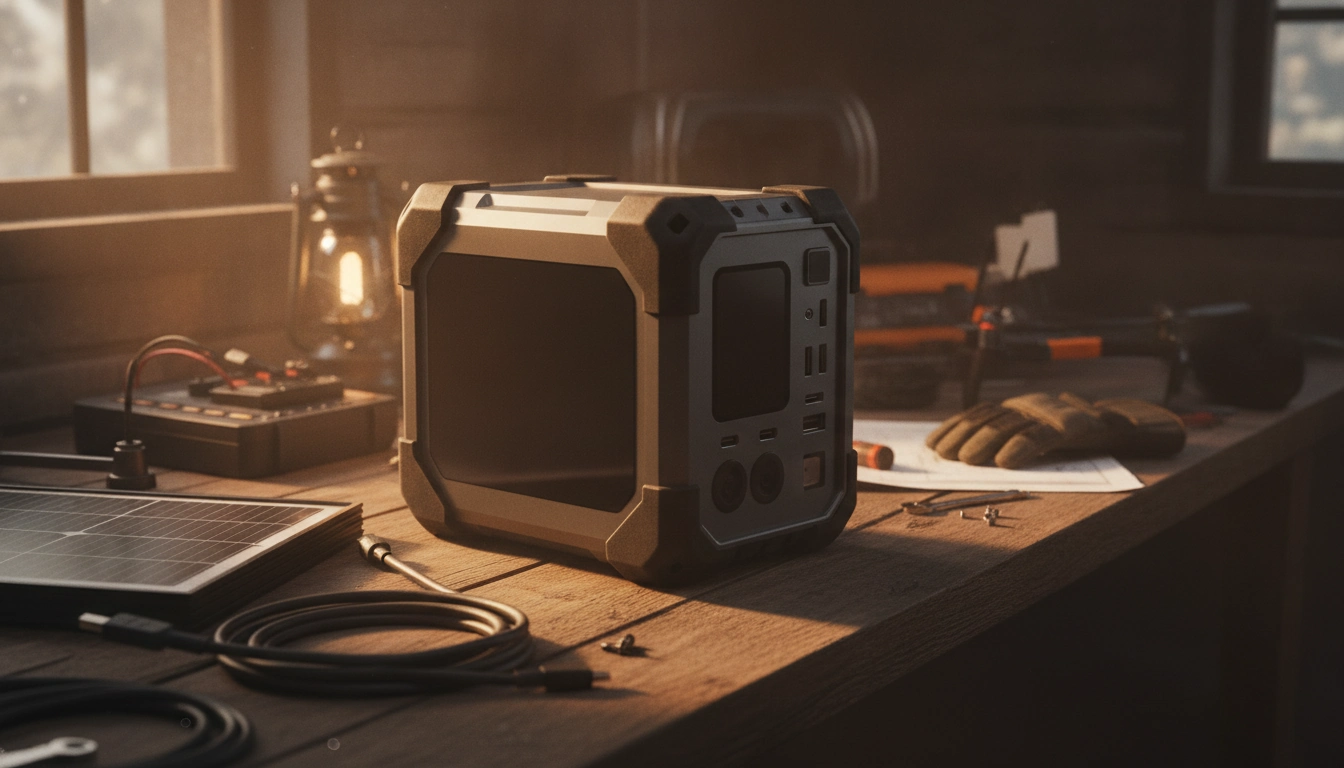
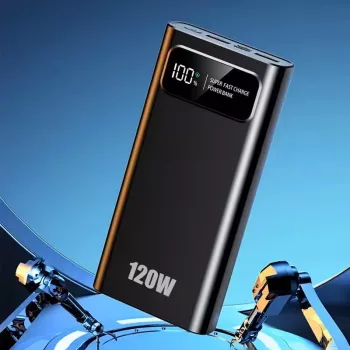
Yes—100,000 mAh power banks exist, but they’re specialty, heavy-duty battery packs rather than the pocket-size chargers most people picture. They’re often marketed for camping, emergency backup, field work, or charging multiple devices over several days. Many models also include extra ports, higher wattage output, and sometimes built-in lights or rugged housings.
What to expect from a 100,000 mAh power bank
A capacity that large typically means a much bigger physical size and noticeably higher weight. It also means longer recharge time for the power bank itself, especially if it charges through basic USB input. For faster refills, look for USB-C Power Delivery (PD) input and a charger that can supply higher wattage.
Real-world usable energy is also less than the headline number. Power banks store energy in internal battery cells and then convert it to 5V/9V/12V outputs, so conversion losses reduce the effective amount you can deliver to devices. Still, a quality 100,000 mAh unit can provide many full phone charges, keep tablets running, and even support certain USB-C laptops if the output wattage is high enough.
Important limits and buying considerations
Air travel restrictions
Most 100,000 mAh power banks exceed typical airline limits for lithium batteries in carry-on luggage. If flying is part of the plan, check the power bank’s watt-hour (Wh) rating and compare it to your airline’s rules before purchasing.
Output power matters as much as capacity
For modern devices, prioritize the right charging standards (USB-C PD, Quick Charge) and sufficient wattage. A huge capacity with low output can still feel slow and inconvenient.
Safety and build quality
Choose reputable models with protections for over-current, over-voltage, overheating, and short-circuiting. With high-capacity batteries, quality control is especially important.
For a deeper breakdown of capacity, weight, watt-hours, and what to watch for, see the full guide here: https://primetechnology.shop/is-there-a-mah-power-bank/.
FAQ
How many times can a 100,000 mAh power bank charge a phone?
It depends on the phone battery size and conversion losses, but many phones can be charged well over 10 times from a full 100,000 mAh power bank. Higher-capacity phones and faster charging can reduce the total number of full charges.




Leave a comment